

Untreated Skin Cancer: Risks, Stages & Outcomes
- 10.00 AM

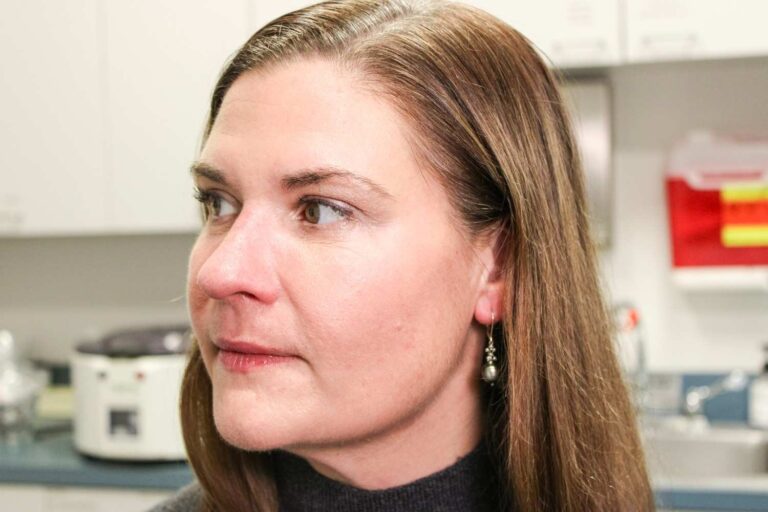
When skin cancer is ignored or left untreated, it can grow, spread, and become much more dangerous. Skin cancer outcomes depend on the type, stage, and patient-specific factors. Early detection and treatment significantly improve the likelihood of successful management.
You may think ignoring skin cancer might make it go away naturally. Unfortunately, skin cancer does not go away on its own. Let’s talk about what really happens if skin cancer is left untreated, how it progresses in the body, and how to deal with it.
What Is Skin Cancer?
When skin cells grow in an abnormal and uncontrolled way, we, the dermatologists, call it skin cancer. You might be surprised to know that skin cancer starts after damage from ultraviolet (UV) rays from the sun or tanning beds. There are many stages of skin cancer, and it doesn’t grow in one day. Your cell starts abnormal growth, which can turn into a cancer cell, destroying the neighboring living cells.
Skin Cancer Progression Stages: How the Disease Advances
Skin cancer usually develops in stages. When left untreated, the cancer may continue progressing through deeper layers of the skin and eventually spread.
Early Stage
In the early stages, cancer cells are usually limited to the top layers of skin. At this point, treatment is often simple and highly effective.
Local Growth
As the tumor grows, it may begin invading deeper skin layers and surrounding tissue.
This can cause:
- tissue damage from skin cancer
- scarring and disfigurement
- nerve damage from skin tumors
Regional Spread
In some cases, cancer cells begin spreading to nearby lymph nodes.
This stage involves cancer cells spreading to lymph nodes, which increases the seriousness of the disease.
Distant Metastasis
In advanced stages, cancer may spread to organs such as:
- lungs
- liver
- brain
- bones
At this point, treatment becomes much more complex.
How Skin Cancer Spreads in the Body
A common concern patients have is whether skin cancer can spread.
Yes, skin cancer can spread if untreated, especially aggressive types like melanoma and squamous cell carcinoma.
The spread of cancer cells is known as metastasis.
Cancer may spread in several ways:
Through Nearby Tissue
The tumor may grow deeper and invade surrounding structures, such as:
- Nerves
- blood vessels
- muscle
Through the Lymphatic System
Even your lymphatic system is not behind this. Cancer cells can enter the lymphatic system through nearby lymph nodes.
Through the Bloodstream
This is the final and most dangerous stage. When cancer cells enter your bloodstream, it gains access to almost everything of your body. It destroys your liver and kidneys.
How Fast Skin Cancer Spreads
So, how much time does the cancer cell need to spread throughout your body? It depends on the type of cancer.
Basal Cell Carcinoma
Untreated basal cell carcinoma usually grows slowly. However, if ignored for years, it can cause significant tissue damage and disfiguring skin tumors.
Squamous Cell Carcinoma
Untreated squamous cell carcinoma tends to grow faster than basal cell carcinoma and has a higher chance of spreading to lymph nodes.
Melanoma
Untreated melanoma risks are much more serious. Melanoma can spread quickly to organs and become life-threatening if not treated early.
Major Types of Skin Cancer and What Happens If Left Untreated
Basal Cell Carcinoma (BCC)
This is the most common type. It typically grows slowly but can still damage adjacent skin and tissue if left untreated.
Untreated Basal Cell Carcinoma
Many people assume basal cell carcinoma is harmless because it grows slowly.
However, untreated basal cell carcinoma can continue expanding over time.
Potential complications include:
- destruction of nearby skin tissue
- damage to cartilage and bone
- large ulcerated lesions
- facial disfigurement
Although BCC rarely spreads to distant organs, it can still cause extensive local damage if ignored.
Squamous Cell Carcinoma (SCC)
This type can grow deeper into the skin and may spread to other parts of the body if ignored.
Untreated Squamous Cell Carcinoma
Untreated squamous cell carcinoma is more aggressive than basal cell carcinoma.
Possible complications include:
- deep tumor growth in the skin
- painful or bleeding lesions
- spread to nearby lymph nodes
- increased risk of metastasis
Early treatment significantly reduces these risks.
Melanoma
This is the most serious type. Melanoma can spread quickly to organs and become life-threatening. Even though some types grow slowly, all skin cancers need medical attention.
Untreated Melanoma Risks
Melanoma is the most dangerous form of skin cancer.
If melanoma is not treated early, malignant melanoma progression may lead to:
- rapid tumor growth
- cancer spreading to the lymph nodes
- organ damage from melanoma
- life-threatening complications
The skin cancer survival rate for early-stage melanoma is extremely high, which is why dermatologists emphasize regular skin checks.
What Happens If You Ignore Skin Cancer? 5 Risks and Outcomes
When skin cancer is not treated, problems usually get worse over time. We warn our patients of the following risks-
1. The Cancer Continues to Grow
Just like a living cell, skin cancer does not stay the same size. It continues growing slowly or quickly, depending on the type. As a result, your chance to treat the cancer gets slimmer day by day.
At first, the spot may look small. But over time, it may:
- Become larger
- Change color
- Become raised or thick
- Form a sore that will not heal
The longer cancer grows, the harder it becomes to treat.
2. The Cancer Can Damage Nearby Skin and Tissue
Not only does it enlarge itself, but the cancer cell grows deeper into the skin. They may start damaging nearby tissue.
This can affect:
- Skin
- Nerves
- Blood vessels
- Muscle
- Bone (in severe cases)
For example, if you have untreated cancers on the face, it may slowly destroy the skin around the nose, ear, or eyelid. As a result, serious tissue damage occurs, which needs critical surgery in the future.
3. The Cancer May Spread to Other Parts of the Body
Certain skin cancers can spread like an infection. We call this metastasis.
When cancer spreads, it may move to:
- Lymph nodes
- Lungs
- Liver
- Brain
- Bones
Melanoma is the most likely type to spread quickly. Squamous cell carcinoma can also spread if untreated.
Once cancer spreads to other organs, treatment becomes much more difficult.
4. Treatment Becomes More Complicated
Early skin cancer treatment is often simple.
In many cases, dermatologists can remove small cancers with a quick procedure in the office.
But when cancer grows larger or spreads, treatment may require:
- Larger surgery
- Skin grafts
- Radiation therapy
- Chemotherapy
- Immunotherapy
These treatments can take longer and may have more side effects.
This is why early detection is so important.
5. Untreated Skin Cancer Can Become Life-Threatening
We often tell our patients, and in awareness programs, that skin cancer is no joke. Just because the cancer is small and not affecting any vital organ right now doesn’t mean you have time to ignore it.
Melanoma is especially dangerous because it can spread rapidly.
The earlier melanoma is found and treated, the higher the chance of survival.
When caught early, the survival rate is very high. But if melanoma spreads to organs, the risk becomes much greater.
Untreated Skin Cancer Signs You Should Never Ignore
Sometimes skin cancer starts with very small changes. Paying attention to your skin can help you catch problems early.
Watch for spots that:
- Change size
- Change color
- Bleed easily
- Itch or hurt
- Do not heal after several weeks
For moles, dermatologists often use the ABCDE rule:
- A – Asymmetry: It means one half does not match the other half.
- B – Border: The mole edges are uneven or blurry. If you cannot determine it, go to the nearest dermatologist.
- C – Color: multiple colors or uneven color
- D – Diameter: larger than a pencil eraser
- E – Evolving: changing in shape or size
If you notice any of these signs, it is important to have a dermatologist check your skin.
Why Early Detection Matters
Early treatment often means:
- Smaller procedures
- Less scarring
- Faster healing
- Lower risk of spread
Routine skin exams can help detect cancer before it becomes dangerous.
Many patients schedule a yearly skin check to monitor moles and spots.
How Long Can Skin Cancer Go Untreated?
Some skin cancers may grow slowly for months or even years. However, this does not mean they are safe to ignore.
Over time, untreated skin cancer may:
- grow deeper into skin layers
- damage to nearby tissue
- spread to lymph nodes
- spread to internal organs
The longer a cancer remains untreated, the more complicated treatment can become.
Can You Live With Untreated Skin Cancer?
Some patients live with untreated skin cancer for years, especially with slow-growing basal cell carcinoma.
However, this is not recommended. Even slow-growing cancers can cause:
- significant tissue damage
- larger surgical procedures later
- increased medical complications
Dermatologists strongly advise treating suspicious lesions as early as possible.
What Happens If You Ignore a Suspicious Mole?
A suspicious mole may be an early sign of melanoma.
Ignoring a changing mole could allow melanoma to progress into more advanced stages. Warning signs include:
- uneven shape
- irregular borders
- multiple colors
- increasing size
- rapid changes over time
If you notice these changes, it’s important to have the mole examined by a dermatologist.
How Dermatologists Detect Skin Cancer
Dermatologists use several methods to detect skin cancer early.
Common diagnostic tools include:
- skin examinations
- dermoscopy, a magnified view of skin lesions
- digital mole mapping
- skin biopsy
A biopsy allows doctors to examine the skin tissue under a microscope and determine whether cancer is present.
Skin Cancer Screening and Diagnostic Methods
Dermatologists use several tools to detect and confirm skin cancer early. Screening helps identify suspicious spots, while diagnostic tests confirm whether cancer is present and determine the best treatment plan.
The chart below explains the most common methods used in dermatology clinics.
| Screening/ Diagnostic Method | What It Is | How It Works | When It Is Used | What It Detects |
| Self-Skin Examination | A routine check you do at home to monitor your skin. | You look closely at your skin in a mirror to check for new or changing moles, spots, or sores. | Recommended monthly for adults, especially those with many moles or high sun exposure. | Early warning signs such as changing moles, unusual growths, or sores that do not heal. |
| Professional Skin Exam (Full Body Skin Check) | A complete skin examination performed by a dermatologist. | The doctor carefully checks the skin from head to toe, including scalp, nails, and hidden areas. | Usually done annually or when a suspicious spot appears. | Early signs of melanoma, basal cell carcinoma, and squamous cell carcinoma. |
| Dermatoscopy (Dermoscopy) | A non-invasive tool used to closely examine skin lesions. | Dermatologists use a handheld magnifying device with a light to see structures under the skin surface. | Used when a mole or lesion looks unusual during an exam. | Patterns and structures that help distinguish benign moles from possible melanoma or other cancers. |
| Digital Mole Mapping | A monitoring system for people with many moles or high melanoma risk. | High-resolution photographs are taken of the entire body and individual moles. Images are compared over time. | Often used for patients with many moles or a family history of melanoma. | Small changes in size, color, or shape that might signal early melanoma. |
| Skin Biopsy | The most accurate way to diagnose skin cancer. | A small sample of the suspicious skin is removed and examined under a microscope by a pathologist. | Done when a lesion appears suspicious for cancer. | Confirms whether the lesion is cancerous and identifies the type of skin cancer. |
| Shave Biopsy | A common type of biopsy is where a thin layer of skin is removed. | The doctor shaves off the top layer of the lesion using a sterile blade. | Often used for superficial lesions like basal cell carcinoma. | Helps diagnose early or surface-level skin cancers. |
| Punch Biopsy | A biopsy that removes a deeper circular sample of skin. | A small tool removes a tiny round piece of skin, including deeper layers. | Used when deeper tissue evaluation is needed. | Provides detailed information about tumor depth and structure. |
| Excisional Biopsy | Removal of the entire suspicious lesion. | The dermatologist cuts out the full growth along with a small margin of surrounding skin. | Often used when melanoma is suspected. | Allows full evaluation of the entire lesion and cancer staging. |
| Sentinel Lymph Node Biopsy | A test to check if melanoma has spread. | Doctors remove the first lymph node that drains the tumor area and test it for cancer cells. | Used when melanoma has certain risk factors for spreading. | Determines whether cancer has spread to lymph nodes. |
| Imaging Tests (CT, MRI, PET scans) | Medical imaging used in advanced cases. | Scans create detailed images of organs and tissues inside the body. | Used when melanoma or advanced skin cancer may have spread. | Detects metastasis to organs such as lungs, brain, or liver. |
Protecting Your Skin From Skin Cancer
Prevention is also important.
Here are simple ways to protect your skin:
- You need to wear sunscreen every day (SPF 30 or higher). Yes, even if it’s cloudy or raining outside.
- Reapply sunscreen when outdoors. Because most sunscreens only offer protection for up to 2 hours maximum.
- Wear hats and protective clothing
- Avoid tanning beds
- Seek shade during strong sun hours
- Check your skin regularly
Small habits can make a big difference in lowering your risk.
When to See a Dermatologist
If you notice a new or changing spot, do not wait months to get it checked. A dermatologist can examine the skin and determine if the spot is harmless or needs testing. Sometimes a small biopsy is done to confirm whether cancer is present.
Early evaluation helps ensure that any problems are treated quickly.
Your skin is your body’s largest organ; neglecting it can even cost your life.
Conclusion
Some forms of skin cancer grow slowly; untreated skin cancer can continue to grow, damage tissue, spread to other organs, and become life-threatening.
The good news is that most skin cancers can be successfully treated when found early.
Regular skin checks, sun protection, and prompt medical evaluation are the best ways to protect your skin and your health.
If you notice any unusual spots or changes on your skin, scheduling a visit with a dermatologist is the safest step you can take. Contact Campbell Dermatology and Aesthetics for a proper screening by professionals.
FAQ’s
Q1:How long can you go with untreated skin cancer?
Ans: It depends on the type of skin cancer. Some types grow slowly and may take years to cause serious damage, while others, like melanoma, can spread much faster. Even if a spot seems small, it should always be checked by a dermatologist as soon as possible.
Q2:What are the symptoms of untreated skin cancer?
Ans: Common symptoms include a spot that keeps growing, changes color, bleeds easily, forms a sore that does not heal, or becomes painful or itchy. Some skin cancers may also look shiny, scaly, or like a new mole that keeps changing.
Q3:What is the survival rate for melanoma?
Ans: In the early stages, the five-year melanoma survival rate can be around 99%. This is why early detection and treatment are extremely important.
Q4:What happens if I ignore skin cancer?
Ans: If skin cancer is ignored, it will not disappear, but rather continue to grow. Over time, it may damage the surrounding skin and tissue. Some types may spread to lymph nodes or other organs, making treatment much harder and more serious.